

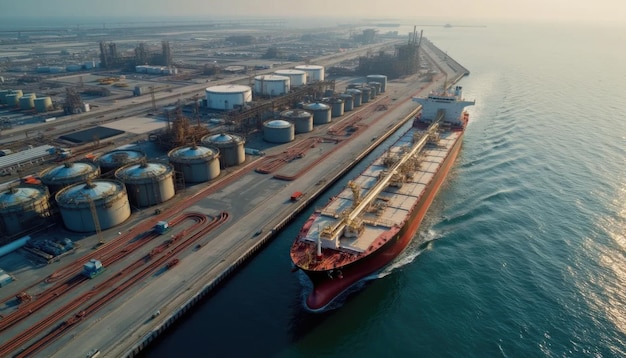
The movement of refined petroleum products across international markets is not simply a matter of supply and demand. Behind every successful fuel transaction lies a sophisticated logistics and shipping infrastructure that determines whether energy reaches its destination on time, in specification, and at a commercially viable cost. For businesses operating within global petroleum supply chains, understanding how logistics and shipping influence fuel trade is as important as understanding the markets themselves.
The Backbone of Global Fuel Distribution
Global fuel distribution depends on an extensive network of physical infrastructure. Refineries produce petroleum products that must be transferred to storage terminals, loaded onto vessels or pipelines, transported across international routes, and discharged at receiving terminals before reaching end consumers. Each stage in this chain introduces variables that affect cost, timing, and product integrity.
Maritime shipping remains the dominant mode of international petroleum transport. Tanker vessels — ranging from smaller coastal product tankers to large ocean-going vessels — carry refined fuels across trade routes connecting refining hubs in Europe, the Middle East, Asia, and the Americas with import markets worldwide. The availability, size, and positioning of these vessels directly influence freight rates and delivery timelines.
How Freight Rates Shape Fuel Pricing
Freight rates are a significant component of the landed cost of petroleum products in any import market. These rates fluctuate based on vessel availability, bunker fuel costs, port congestion, seasonal demand patterns, and broader shipping market conditions. When freight rates rise sharply — as they can during periods of high demand or supply chain disruption — the cost of delivering fuel to destination markets increases accordingly, affecting the commercial viability of certain trade routes and supply arrangements.
For energy buyers and trading firms, monitoring freight market conditions is therefore not a secondary consideration. It is a core element of transaction planning and supply chain management.
Storage Terminals and Their Strategic Role
Storage infrastructure plays an equally important role in global fuel logistics. Terminals positioned at key trading hubs — such as those in Rotterdam, Singapore, Fujairah, and the Caribbean — allow trading companies to hold inventory, manage delivery timing, and serve multiple regional markets from centralized locations. Access to terminal capacity influences a trader’s ability to manage supply flexibility and respond to demand shifts across different markets.
For buyers, understanding the terminal infrastructure available within their supply chain helps clarify lead times, minimum order requirements, and the logistical feasibility of different supply arrangements.
Port Operations and Documentation
The efficiency of port operations directly affects the speed and cost of fuel deliveries. Loading and discharge rates, port congestion, customs procedures, and documentation requirements all contribute to the overall logistics timeline. Independent inspection companies are typically engaged at loading and discharge ports to verify product quantity and quality, providing both buyers and sellers with verified records that support contractual compliance and payment processes.
Navigating Logistics Complexity
For organizations engaged in international fuel procurement or distribution, logistics and shipping represent both a challenge and a competitive variable. Companies that develop a clear understanding of shipping markets, freight structures, and logistics infrastructure are better positioned to secure reliable supply at commercially sound delivered costs.
Petronyx Global maintains awareness of global petroleum logistics environments to support professional engagement between market participants involved in refined fuel supply chains and international energy trading.
To discuss your fuel supply chain requirements, contact Petronyx Global today.