Facilitating Global Petroleum Trade


Liquefied Petroleum Gas (LPG) is one of the most widely used energy products in residential, commercial, and industrial sectors. Produced through natural gas processing and crude oil refining, LPG supports energy access across global markets through flexible transportation and distribution systems.

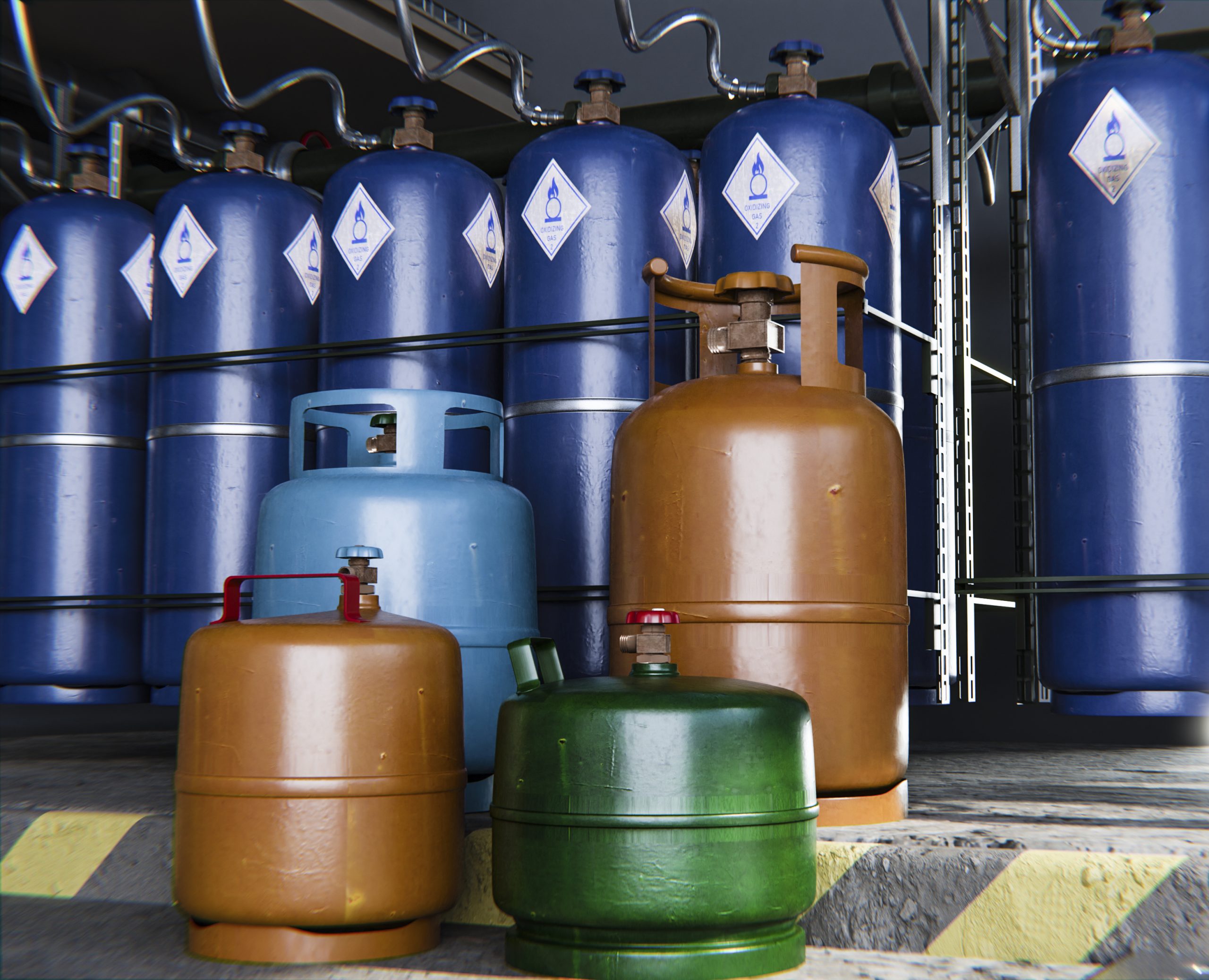
Liquefied Petroleum Gas plays an important role in international energy markets due to its versatility and widespread applications. LPG is commonly used for residential cooking, heating systems, industrial fuel applications, and petrochemical feedstocks.
Global LPG markets are supported by supply chains that connect natural gas processing facilities, refineries, storage terminals, and distribution networks across multiple regions. As urbanization and industrial development continue to expand in many parts of the world, demand for LPG remains strong in both emerging and established energy markets.
International LPG trade allows production regions to supply markets where domestic energy demand exceeds local production capacity.
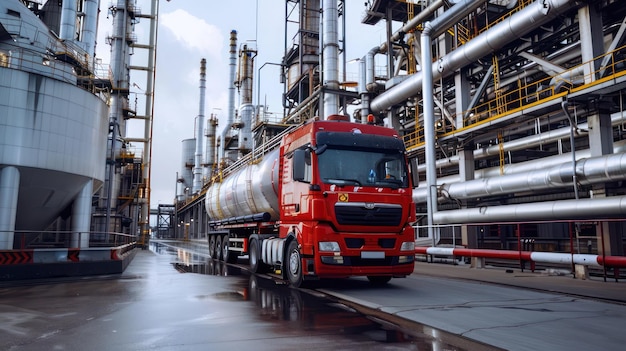
The LPG supply chain begins with production from natural gas processing plants or crude oil refineries. After extraction, LPG is stored in pressurized tanks before being transported through specialized logistics systems designed for liquefied gas products.
Transportation systems include:
Storage terminals located near ports or distribution hubs allow LPG cargo to be transferred and distributed efficiently within domestic and regional markets.
Understanding these logistics systems is essential for interpreting how LPG moves through international energy markets.
LPG trading typically involves multiple market participants including producers, trading companies, distributors, logistics providers, and industrial consumers.
Commercial engagements often involve agreements that define:
These transactions rely on coordinated communication between participants across the supply chain. Trading frameworks may include spot market transactions, short-term supply arrangements, or longer-term commercial agreements depending on market conditions and supply requirements.
Understanding these trading environments helps market participants navigate international LPG markets more effectively.
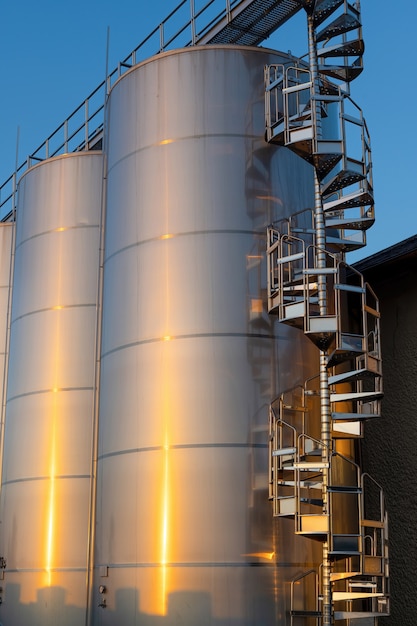
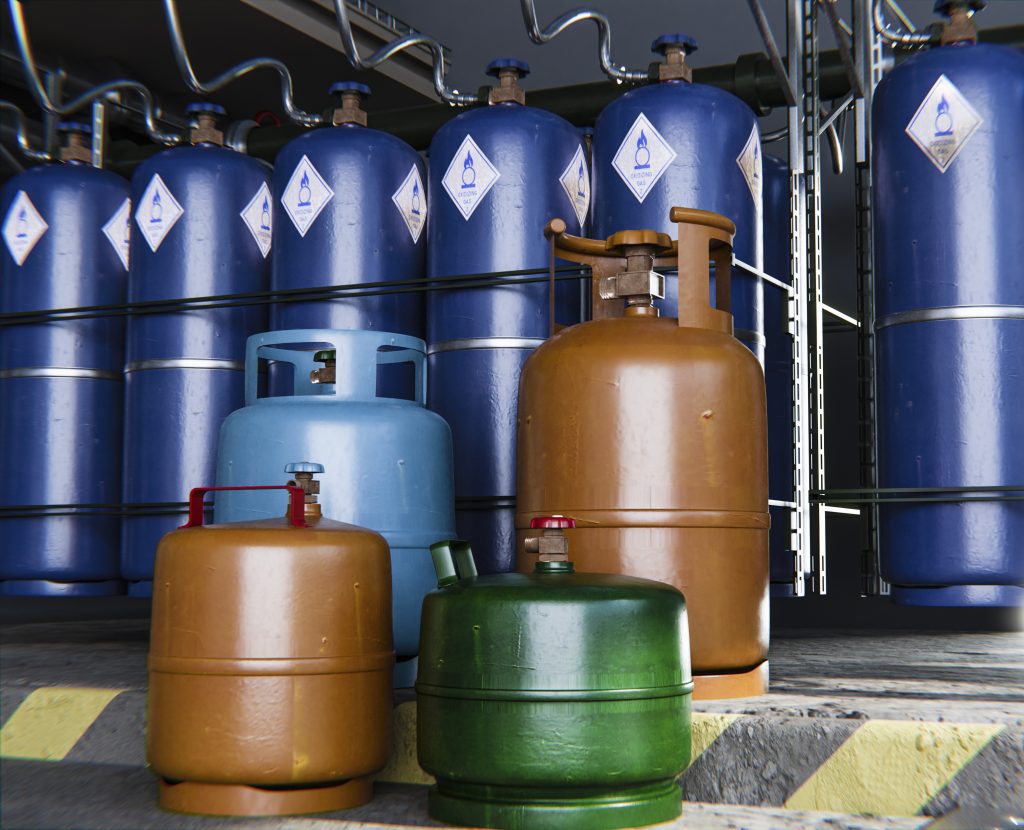
LPG serves a wide range of energy applications across residential, commercial, and industrial sectors.
Residential use includes cooking fuel and heating systems, particularly in regions where pipeline natural gas infrastructure is limited. LPG is also widely used in commercial sectors such as restaurants, hospitality facilities, and small businesses.
In industrial environments, LPG supports manufacturing processes, metal processing, and chemical production. The petrochemical industry also uses LPG as a feedstock in the production of plastics and other chemical materials.
The flexibility of LPG transportation and storage allows this fuel to serve energy needs across diverse geographic regions.
The distribution of LPG across global markets depends on energy infrastructure designed to support safe storage and transportation.
This infrastructure includes:
These systems allow LPG to move efficiently between production facilities and markets where energy demand continues to grow.
Understanding these infrastructure systems helps clarify how LPG supports global energy supply chains.
Organizations interested in discussing developments within LPG markets may connect with Petronyx Global to exchange perspectives on energy supply chains and global petroleum markets.