Facilitating Global Petroleum Trade


Jet Fuel A1 powers commercial aviation networks that connect cities, industries, and economies around the world. The distribution of aviation fuel relies on coordinated supply chains linking refineries, fuel terminals, pipeline systems, and airport infrastructure that support global air transportation.


Jet Fuel A1 is a kerosene-based aviation fuel widely used in commercial aviation and international air transport operations. Produced through crude oil refining processes, Jet Fuel A1 must meet strict quality specifications to ensure safe and efficient aircraft performance.
Global aviation activity drives demand for jet fuel across international markets. Passenger travel, cargo transportation, and global logistics networks all rely on reliable aviation fuel supply chains to maintain air connectivity between regions.
As aviation continues to support international trade and mobility, the demand for aviation fuel remains closely linked to economic growth and transportation infrastructure.
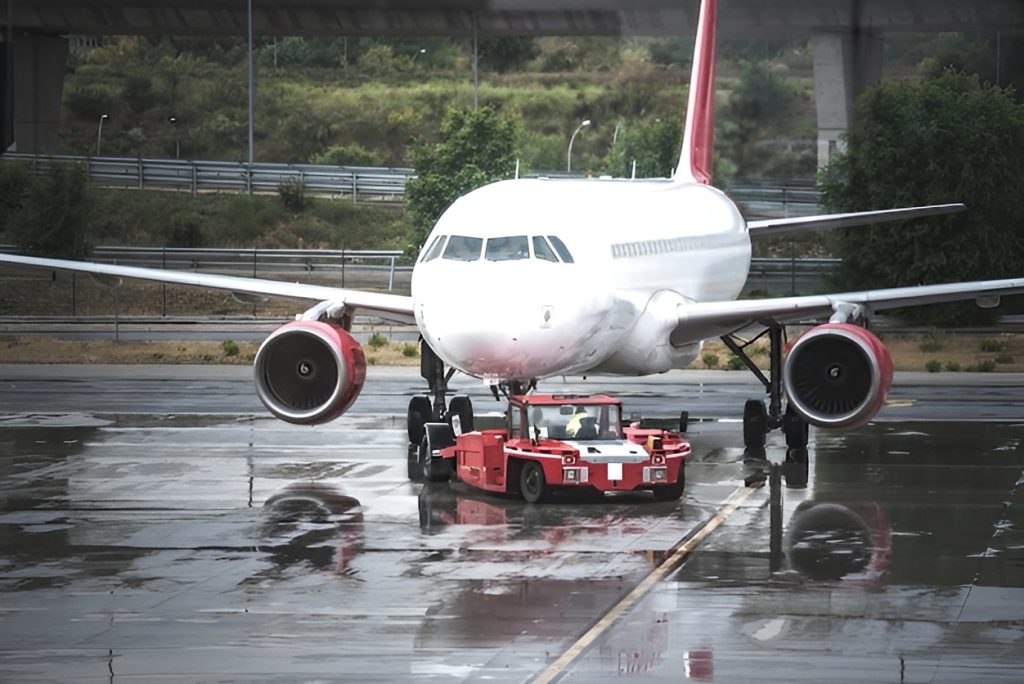
Aviation fuel distribution requires specialized logistics systems designed to maintain fuel quality and ensure reliable delivery to airports and aviation hubs.
Jet fuel typically moves through supply chains that involve:
refinery production facilities
coastal storage terminals
pipeline systems transporting fuel to airports
tanker trucks supplying aircraft refueling systems
These logistics systems operate under strict safety and quality controls to maintain fuel integrity throughout the transportation process.
Coordinated fuel logistics allow aviation fuel to move efficiently from refineries to airport distribution networks supporting global air travel.
Aviation fuel markets operate through global supply chains connecting refinery production with airport fuel distribution infrastructure.
Major aviation hubs rely on fuel supply systems that integrate pipelines, storage terminals, and aircraft refueling facilities to ensure continuous availability of aviation fuel.
These supply chains support commercial airlines, cargo operators, and airport logistics networks that facilitate international travel and trade.
Understanding how aviation fuel supply chains operate helps organizations interpret the energy infrastructure that supports global aviation systems.

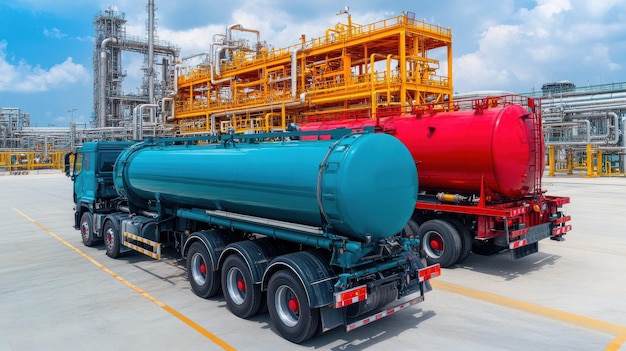
Airport fuel infrastructure includes storage facilities, hydrant systems, refueling vehicles, and distribution pipelines designed to deliver aviation fuel safely and efficiently.
Large international airports often maintain dedicated fuel storage terminals connected to regional supply networks. Hydrant systems installed beneath airport runways allow aircraft to be refueled directly from centralized fuel infrastructure.
These systems ensure reliable aviation fuel availability for aircraft operating across global air transportation networks.
The aviation sector plays an important role in global energy markets due to the scale of fuel consumption required to support international air travel and cargo transportation.
Jet fuel demand often reflects broader trends in economic activity, tourism, international trade, and logistics operations.
Refineries, fuel distributors, airport authorities, and aviation companies all participate in the supply chains that ensure reliable aviation fuel distribution across global markets.
Understanding these relationships helps clarify how aviation energy demand interacts with global petroleum markets.
Organizations interested in discussing developments within aviation fuel markets may connect with Petronyx Global to exchange perspectives on aviation fuel supply chains and global energy markets.