

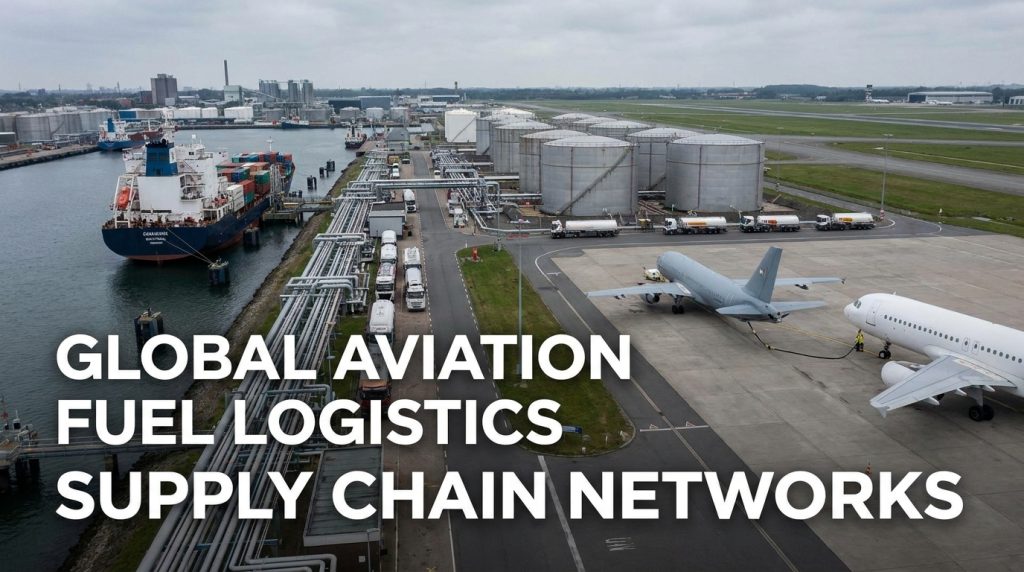
Jet fuel supply chains are a critical component of global aviation, ensuring that airlines have a consistent and reliable supply of fuel across international routes. Given the scale of global air travel and the high operational costs associated with aviation fuel, these supply chains are highly structured, efficient, and sensitive to disruptions. From crude oil refining to airport delivery, each stage plays a vital role in maintaining smooth aviation operations.
The process begins at refineries, where crude oil is processed into aviation turbine fuel, commonly known as Jet A-1. This specialized fuel must meet strict international quality standards to ensure safety and performance at high altitudes and varying temperatures. Refineries adjust production based on demand forecasts, which are influenced by seasonal travel patterns, economic activity, and global aviation trends.
Once refined, jet fuel enters the storage and distribution network. Large storage terminals are located near refineries and major transport hubs, allowing suppliers to maintain sufficient reserves. From these facilities, fuel is transported to airports using pipelines, tanker trucks, or, in some cases, coastal shipping. Pipelines are particularly important in regions with high air traffic, as they provide a steady and efficient flow of fuel directly to airports.
Global trade routes play a key role in balancing supply and demand across regions. Fuel produced in one part of the world may be shipped to another where demand is higher. Maritime routes passing through chokepoints such as the Strait of Hormuz and the Suez Canal are essential for moving petroleum products, including jet fuel, between continents. Disruptions in these routes can affect supply availability and increase costs for airlines.
At the airport level, jet fuel is managed through specialized infrastructure known as fuel farms. These facilities store large quantities of fuel and distribute it to aircraft through underground hydrant systems or refueling trucks. Efficient airport fuel systems are essential to minimize delays and ensure quick turnaround times for flights.
Energy trading companies and fuel suppliers play a significant role in managing jet fuel supply chains. Companies such as Vitol and Trafigura coordinate global supply, manage logistics, and supply fuel to airlines under long-term contracts or spot agreements. Airlines often rely on these suppliers to secure fuel at competitive prices while ensuring consistent availability across multiple destinations.
Pricing is a major factor in jet fuel supply chains. Aviation fuel costs are closely linked to crude oil benchmarks such as Brent crude oil, as well as refining margins and transportation costs. Since fuel represents one of the largest expenses for airlines, fluctuations in price can significantly impact profitability.
Risk management is also a key consideration. Airlines and suppliers use hedging strategies to protect against price volatility. Additionally, supply chain diversification helps reduce the impact of disruptions caused by geopolitical events, natural disasters, or logistical challenges.
In recent years, sustainability has become an important focus in aviation fuel supply chains. The development of sustainable aviation fuels (SAF) is gradually transforming the sector, with efforts to reduce carbon emissions and meet environmental targets. While still in early stages, SAF is expected to play a growing role in future aviation markets.
In conclusion, jet fuel supply chains in international aviation markets are highly complex systems that integrate refining, storage, transportation, and airport distribution. Their efficiency and reliability are essential for global air travel, and ongoing advancements in technology and sustainability are shaping their future development.