

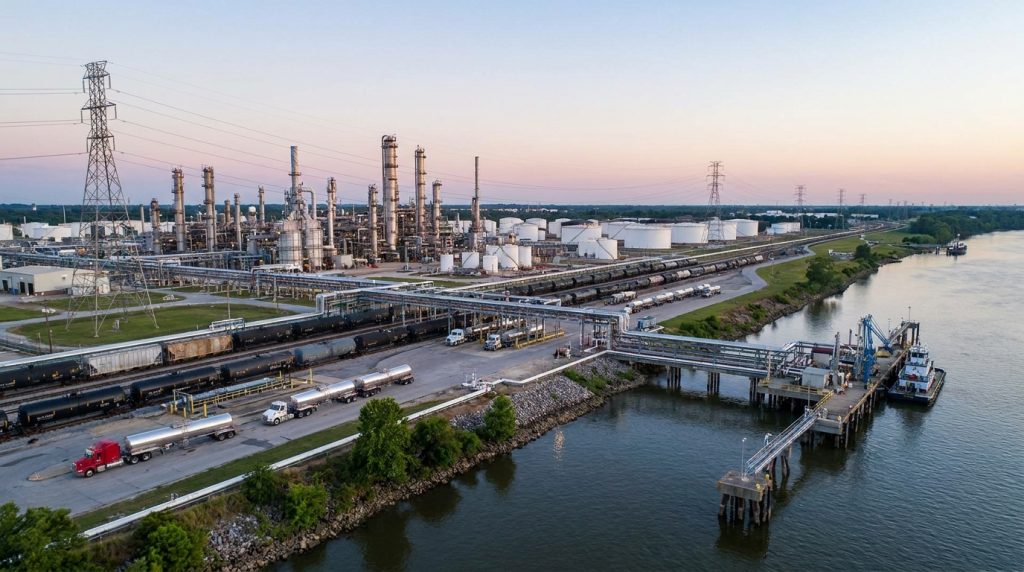
Energy infrastructure is the foundation that enables petroleum products to move efficiently from production sites to end users. Without a well-developed network of refineries, storage facilities, pipelines, transport systems, and distribution channels, it would be nearly impossible to meet global demand for fuels such as gasoline, diesel, and jet fuel. This infrastructure ensures that petroleum is processed, stored, transported, and delivered in a reliable and cost-effective manner.
The journey begins with refining infrastructure. Crude oil extracted from oil fields must be processed in refineries to produce usable fuels. These facilities are equipped with complex systems that separate crude oil into different products based on their chemical properties. The location of refineries is strategically planned, often near production areas or major ports, to reduce transportation costs and improve efficiency.
Once refined, petroleum products are stored in tank farms and terminals. These storage facilities are a critical part of the distribution system because they act as buffers between supply and demand. They allow suppliers to maintain reserves, manage seasonal fluctuations, and respond to sudden changes in consumption patterns. Strategic storage also enhances energy security by ensuring availability during disruptions.
Transportation infrastructure plays a central role in petroleum distribution. Pipelines are one of the most efficient ways to move large volumes of fuel over long distances. They provide a continuous flow of products from refineries to storage hubs and major consumption centers. In regions where pipelines are not available, railways and tanker trucks are used to transport fuel to inland areas.
For international trade, maritime infrastructure is essential. Tanker ships carry crude oil and refined products across global markets, connecting exporting countries with importing regions. These shipments often pass through critical chokepoints such as the Strait of Hormuz and the Suez Canal, which are vital for maintaining global supply chains. Efficient port facilities with modern loading and unloading systems help reduce delays and ensure smooth operations.
Another important component is distribution infrastructure at the local level. Fuel depots, retail stations, and airport fueling systems ensure that petroleum products reach end users. These systems rely on coordinated logistics to maintain consistent supply and avoid shortages, particularly in high-demand urban and industrial areas.
Energy trading and logistics companies contribute significantly to the effectiveness of this infrastructure. Firms such as Vitol and Trafigura manage storage assets, coordinate shipments, and optimize distribution networks across regions. Their role helps balance supply and demand while improving efficiency in global petroleum markets.
Technology is also enhancing petroleum distribution infrastructure. Digital monitoring systems, automated pipelines, and real-time tracking tools improve visibility across the supply chain. These advancements help reduce operational risks, detect inefficiencies, and support better decision-making.
Geopolitical and environmental factors influence how infrastructure is developed and used. Governments invest in pipelines, storage facilities, and ports to strengthen energy security and reduce dependence on imports. At the same time, environmental regulations are encouraging cleaner technologies and safer handling of petroleum products.
In conclusion, energy infrastructure is essential for supporting petroleum distribution at both domestic and global levels. From refining and storage to transportation and retail delivery, each component works together to ensure a stable and efficient supply of fuel. As energy systems evolve, continued investment in infrastructure and technology will remain critical to meeting future demand.