

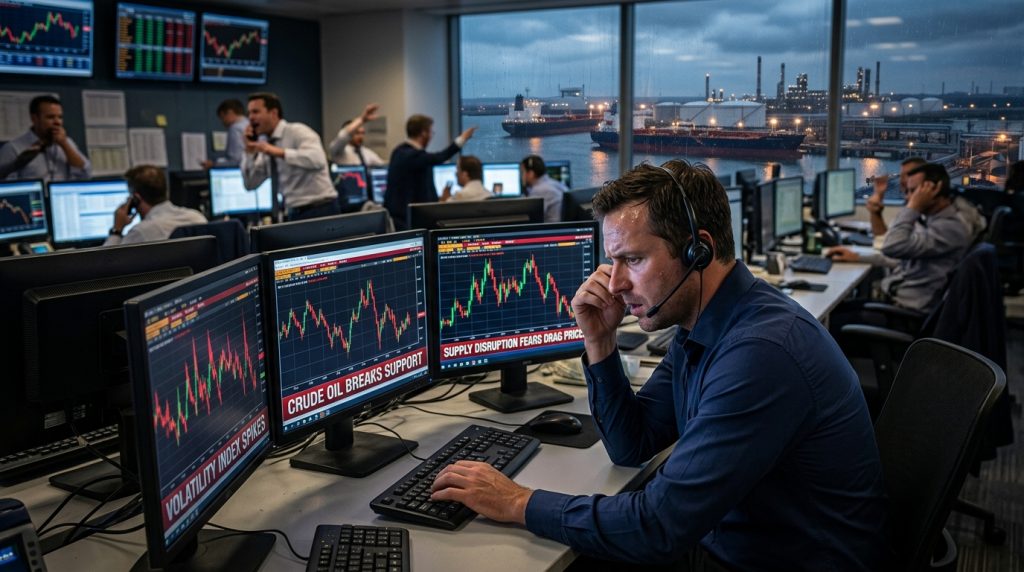
Market volatility is one of the most significant challenges in the global petroleum trading industry. Oil and fuel prices constantly fluctuate due to economic conditions, geopolitical developments, supply disruptions, transportation costs, and changing global demand. These price movements directly affect petroleum traders, suppliers, refineries, distributors, and energy companies operating within international markets.
Petroleum trading depends heavily on global market stability because crude oil and refined fuel products are traded internationally on a large scale. Even small changes in market conditions can influence transaction profitability, supply availability, and operational planning. As a result, companies involved in petroleum trading must continuously monitor market developments and adapt quickly to changing conditions.
One of the primary causes of volatility in petroleum markets is geopolitical uncertainty. Political conflicts, sanctions, trade restrictions, and regional instability in major oil-producing areas can disrupt production and transportation networks. When supply concerns emerge, oil prices often rise rapidly due to fears of reduced global availability. Similarly, political agreements or increased production can cause prices to decline.
Global economic conditions also have a major impact on petroleum trading volatility. During periods of economic growth, industrial activity, transportation demand, and manufacturing output typically increase, leading to higher fuel consumption. In contrast, economic slowdowns or recessions can reduce energy demand and place downward pressure on petroleum prices. Traders closely monitor global economic indicators to evaluate future market trends.
Supply and demand imbalances are another major source of volatility. If global crude oil production exceeds consumption, prices may decline due to oversupply. On the other hand, supply shortages caused by refinery outages, production cuts, natural disasters, or shipping disruptions can increase prices quickly. Seasonal demand changes, especially in aviation, transportation, and heating sectors, also influence fuel market behavior.
Freight and logistics costs significantly affect petroleum trading operations during volatile market conditions. Shipping rates, port congestion, tanker availability, and transportation delays can increase operational expenses and disrupt supply schedules. Companies must manage logistics carefully to maintain efficiency and protect profitability during unstable periods.
Currency fluctuations also influence international petroleum transactions. Since crude oil and many refined products are commonly traded in U.S. dollars, changes in currency exchange rates can impact purchasing costs, import expenses, and overall trade competitiveness for companies operating in different regions.
Market volatility creates both risks and opportunities for petroleum traders. Rapid price fluctuations can increase financial exposure and operational uncertainty, especially for businesses without strong risk management systems. However, experienced trading companies may also identify profitable opportunities by responding strategically to market movements and supply changes.
To manage volatility effectively, many petroleum companies use market intelligence tools, pricing analytics, and risk management strategies. Real-time data monitoring allows businesses to track global oil prices, shipping conditions, refinery activity, and geopolitical developments more accurately. Some companies also diversify supply sources and establish long-term commercial partnerships to improve operational stability.
Independent inspection companies, logistics providers, and energy consultants also play important roles during volatile market periods. These industry participants help improve transparency, operational coordination, and transaction reliability throughout the supply chain.
As global energy markets continue evolving, volatility will remain a defining characteristic of petroleum trading. Companies that prioritize strategic planning, operational flexibility, market intelligence, and strong industry relationships are generally better positioned to navigate changing market conditions successfully.
Organizations such as Petronyx Global support businesses operating in international petroleum markets by facilitating strategic coordination, energy consultancy, and professional engagement within complex global trading environments.