

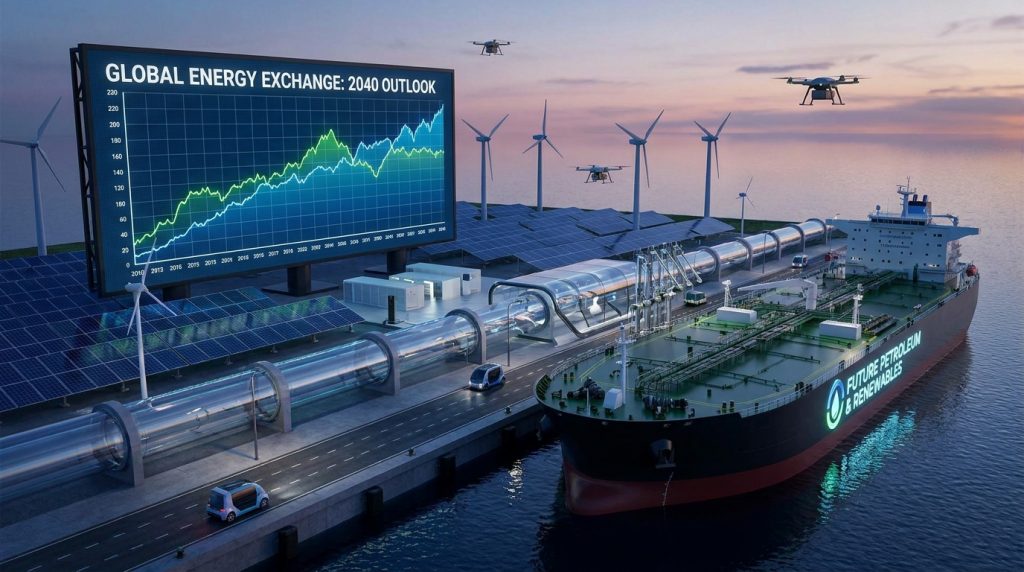
The global energy market is entering a period of major transformation driven by technological change, geopolitical shifts, and the accelerating transition toward cleaner energy systems. Despite the rapid growth of renewables, petroleum remains a central component of the world’s energy supply, and its trade continues to shape international relations and economic stability.
One of the most influential players in the petroleum market is the Organization of the Petroleum Exporting Countries (OPEC). This group of oil-producing nations plays a key role in coordinating production levels to influence global oil prices. Alongside its partners in OPEC+, it continues to have a strong impact on market stability by adjusting output in response to global demand fluctuations. Decisions made by this organization often ripple through global economies, affecting inflation, transport costs, and industrial activity.
At the same time, the structure of global petroleum demand is changing. Emerging economies, particularly in Asia, are becoming the largest consumers of oil. Rapid urbanization, industrial expansion, and rising incomes are driving increased energy needs. Countries such as China and India are expected to remain major drivers of global oil demand in the coming decades, even as they invest heavily in renewable energy and electrification.
However, traditional demand centers such as Europe and North America are experiencing slower growth or even decline in petroleum consumption. This shift is largely due to improved energy efficiency, stricter environmental regulations, and the growing adoption of electric vehicles. Governments are also implementing policies aimed at reducing carbon emissions, which is gradually reshaping long-term oil demand forecasts.
The International Energy Agency (IEA) plays an important role in analyzing these trends and providing forecasts for future energy scenarios. According to many of its projections, global oil demand may peak in the coming decades if current climate policies and technological trends continue. This potential peak is one of the most significant uncertainties facing the petroleum industry today.
Another major factor shaping the future of energy markets is geopolitical risk. Petroleum trade routes often pass through politically sensitive regions, making supply vulnerable to disruptions. Conflicts, sanctions, and trade restrictions can all impact oil flows and price stability. As a result, countries are increasingly focusing on energy security by diversifying suppliers and investing in strategic reserves.
Technology is also transforming the petroleum sector itself. Advances in exploration techniques such as hydraulic fracturing and deep-water drilling have expanded global oil supply in recent years. However, these technologies face growing environmental scrutiny and regulatory pressure. At the same time, digital tools and artificial intelligence are improving efficiency in extraction, refining, and logistics.
Looking ahead, the global petroleum market is likely to become more complex and competitive. While demand may gradually slow in some regions, oil will continue to play a critical role in transportation, petrochemicals, and industrial production for many years. The transition to a lower-carbon energy system will not happen overnight, and petroleum will remain a key part of the global energy mix during this transition period.
In conclusion, the future of global energy markets and petroleum trade will be shaped by a balance between continuing demand, policy-driven change, and technological innovation. The industry is entering a new era where adaptability, diversification, and strategic planning will determine long-term success in an evolving global energy landscape.