

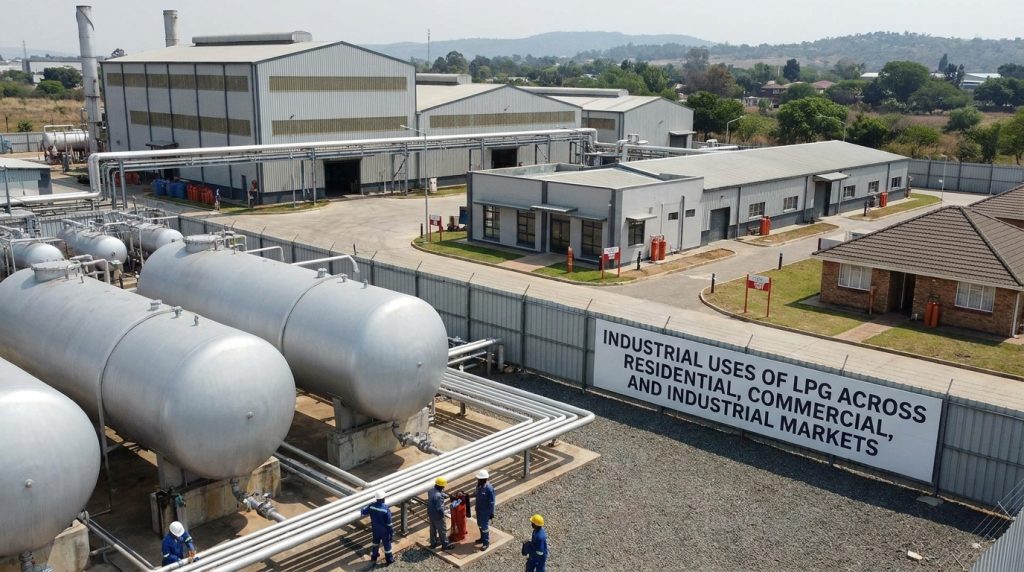
Liquefied Petroleum Gas (LPG) is a versatile energy source widely used across residential, commercial, and industrial sectors. Its clean combustion, portability, and relatively high energy efficiency make it an essential fuel in both developed and emerging economies. LPG primarily consists of propane and butane, and it is stored under pressure in liquid form for easy transportation and usage.
Residential Applications
In residential markets, LPG is most commonly used for cooking and heating. Millions of households around the world rely on LPG cylinders for daily cooking needs, especially in regions where natural gas pipeline infrastructure is limited. It is considered a cleaner alternative to traditional biomass fuels such as wood and coal, helping reduce indoor air pollution and improving public health.
LPG is also used for water heating and space heating in colder regions. In rural and semi-urban areas, it provides a reliable energy source where electricity supply may be inconsistent. Governments in several developing countries promote LPG adoption through subsidy programs to improve energy access and reduce environmental impact.
Commercial Applications
In the commercial sector, LPG is widely used in restaurants, hotels, bakeries, and catering services. Its high heat output and precise flame control make it ideal for cooking in food service industries. Commercial kitchens rely on LPG for consistent performance, especially in high-demand environments where efficiency and reliability are critical.
LPG is also used in small-scale commercial heating systems, laundries, and agricultural processing. For example, it is used in crop drying, greenhouse heating, and food preservation processes. These applications support productivity and efficiency in small and medium-sized enterprises.
Industrial Applications
In industrial markets, LPG plays a significant role in manufacturing, metallurgy, and chemical production. It is used as a fuel for furnaces, kilns, and boilers due to its high calorific value and clean combustion characteristics. Industries prefer LPG because it produces fewer emissions compared to coal or heavy fuel oils.
The petrochemical industry is one of the largest industrial consumers of LPG. Propane and butane serve as feedstocks for producing chemicals, plastics, and synthetic materials. This makes LPG an important component in global manufacturing supply chains.
LPG is also used in metal cutting, welding, and heat treatment processes due to its ability to produce high-temperature flames. In construction and infrastructure projects, it is used to power equipment and temporary heating systems.
Global Supply and Trade


4
The global LPG supply chain depends on production from natural gas processing and crude oil refining. Major exporters include the United States, Middle Eastern countries, and parts of Asia. LPG is transported internationally using specialized gas carriers and distributed through regional storage terminals.
Strategic maritime routes such as the Strait of Hormuz and the Strait of Malacca are essential for global LPG trade. These routes connect production centers with high-demand markets in Asia, Europe, and Africa.
Energy trading companies such as Vitol and Trafigura play a key role in managing LPG logistics, storage, and distribution across global markets. They ensure supply stability by optimizing trade flows and responding to regional demand changes.
Conclusion
LPG is a highly flexible energy source with widespread applications across residential, commercial, and industrial sectors. Its role in improving energy access, supporting industrial processes, and enabling cleaner fuel alternatives makes it an important part of the global energy system. As demand continues to grow, LPG will remain a key transitional fuel in the evolving global energy landscape.