

Executive Summary
Liquefied Petroleum Gas (LPG) is a widely used fuel across residential, commercial, and industrial sectors. Its global supply chain involves production from natural gas processing and crude oil refining, followed by storage, transportation, and distribution across international markets.
Understanding how LPG moves through global supply systems provides insight into its availability, pricing, and role within the broader energy market.
Contents
- Introduction to LPG
- Sources of LPG Production
- Refining and Processing
- Storage Infrastructure
- Transportation and Shipping
- Distribution Networks
- Market Demand Drivers
- Strategic Insights
- Conclusion
Introduction to LPG
LPG is a versatile fuel composed primarily of propane and butane. It is used for heating, cooking, industrial processes, and as an alternative fuel in transportation.
Its portability and efficiency make it an important component of global energy systems.
Sources of LPG Production
LPG is produced from two primary sources: natural gas processing and crude oil refining.
During natural gas processing, LPG components are separated from raw gas streams. In refineries, LPG is produced as a by-product of crude oil distillation.
Refining and Processing
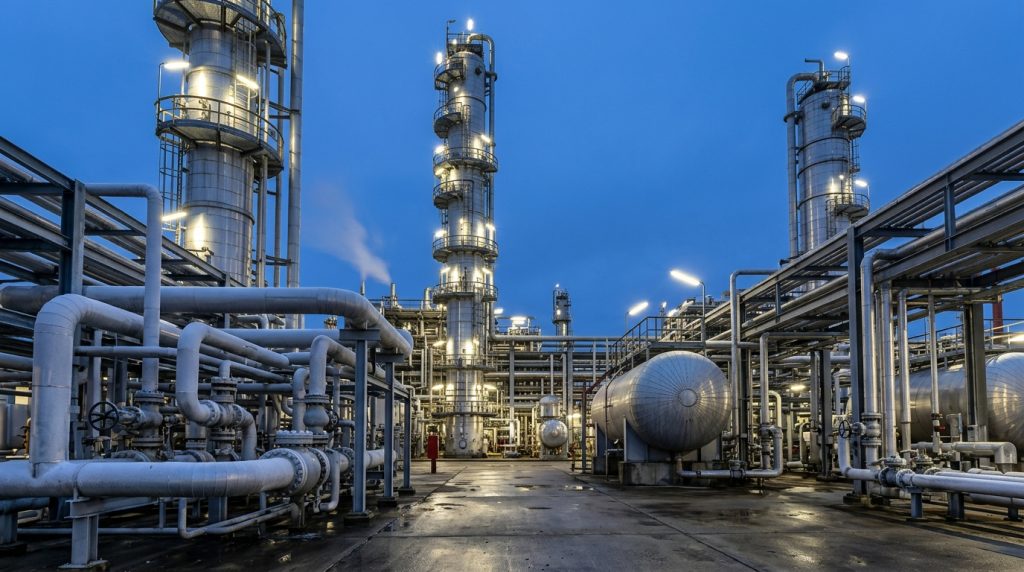
Refineries play a key role in LPG production. Through distillation and processing units, hydrocarbons are separated and refined into usable fuels.
These processes ensure that LPG meets quality standards required for commercial use.
Storage Infrastructure
LPG is stored in pressurized tanks at storage terminals. These facilities allow for efficient handling and temporary storage before distribution.
Storage infrastructure is critical for maintaining supply continuity.
Transportation and Shipping
LPG is transported using specialized tanker ships, pipelines, and road transport systems. Maritime shipping plays a major role in international LPG trade.
These logistics systems enable global distribution across regions.
Distribution Networks
Once transported, LPG is distributed through regional networks to end-users. This includes bulk supply systems, cylinder distribution, and industrial delivery systems.
Market Demand Drivers
Demand for LPG is influenced by residential energy needs, industrial applications, and economic activity. Emerging markets often show increasing demand due to growing energy consumption.
Strategic Insights
Understanding LPG supply chains helps businesses assess market conditions, manage logistics, and ensure reliable supply.
Conclusion
LPG plays a vital role in global energy markets due to its versatility and widespread use. Its production and distribution systems highlight the complexity of petroleum supply chains and the importance of efficient logistics.
Frequently Asked Questions
What is LPG used for?
LPG is used for heating, cooking, industrial processes, and transportation.
How is LPG transported?
It is transported via ships, pipelines, and road tankers.